
What Happens When AI Starts Making Decisions From Your Business Data?
A pricing decision can be correct when it is made - and still cost the business weeks later. AI-driven decisions can create the same problem at greater speed and scale.
Practical guides, case breakdowns, and automation strategies for B2B sales teams.

A pricing decision can be correct when it is made - and still cost the business weeks later. AI-driven decisions can create the same problem at greater speed and scale.

Your partner needs your data. But do they need to see it? That question changes what data collaboration can look like.

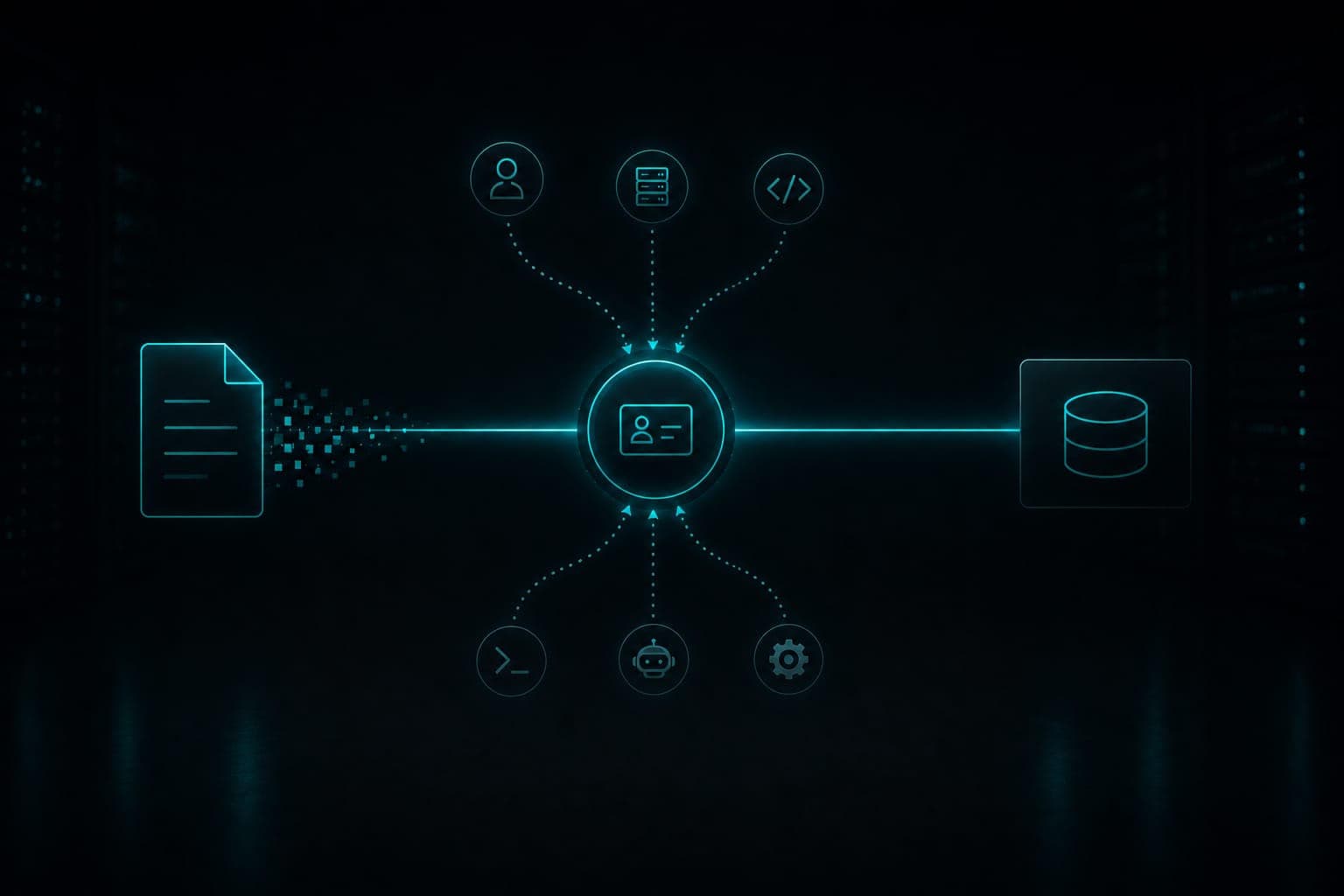
Once a file leaves your system, the file itself has little ability to determine what happens to it next. The question is whether that has to be true.

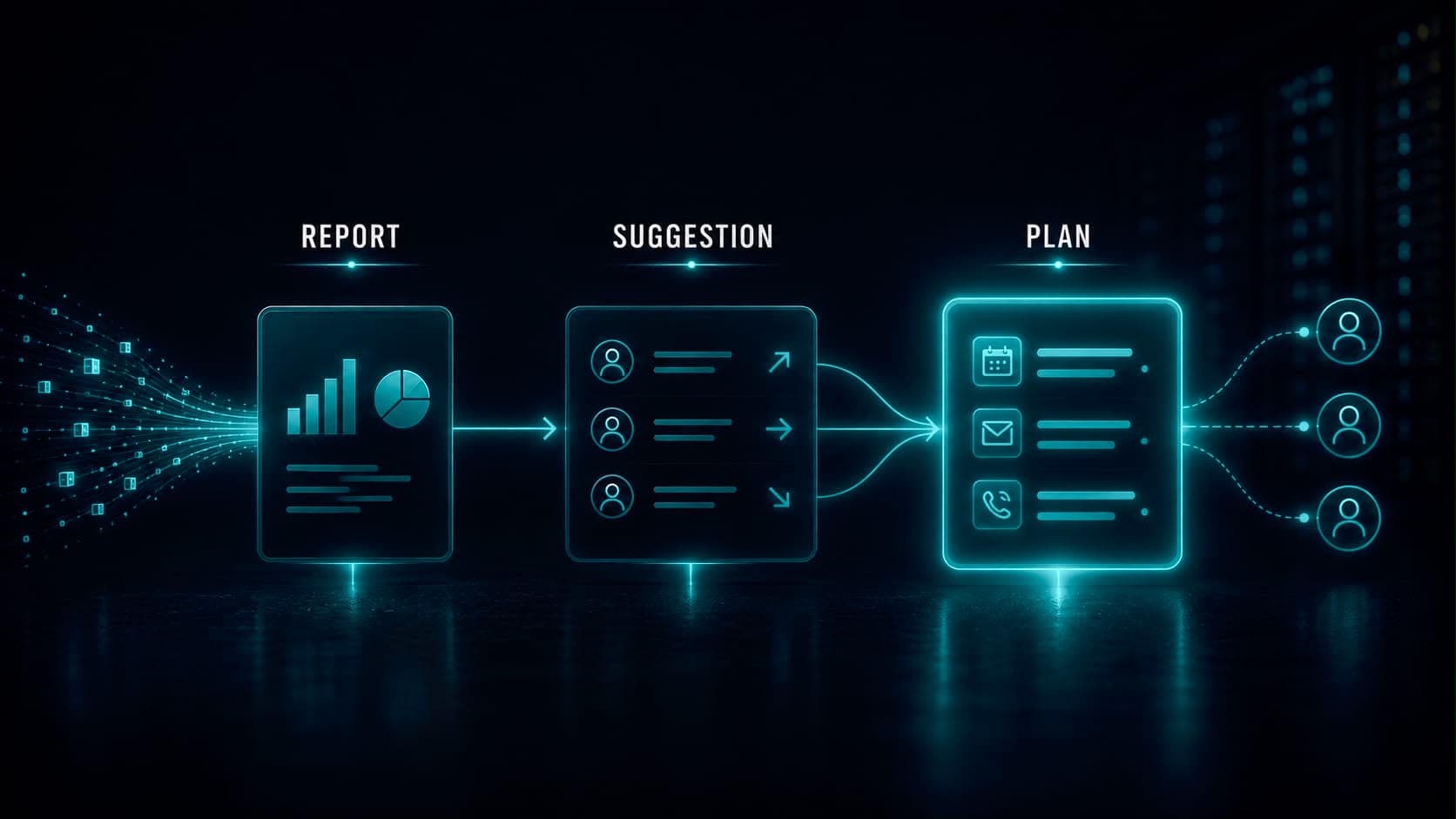
A report can be accurate and useful while still leaving too many steps between what the data shows and what someone actually does next.

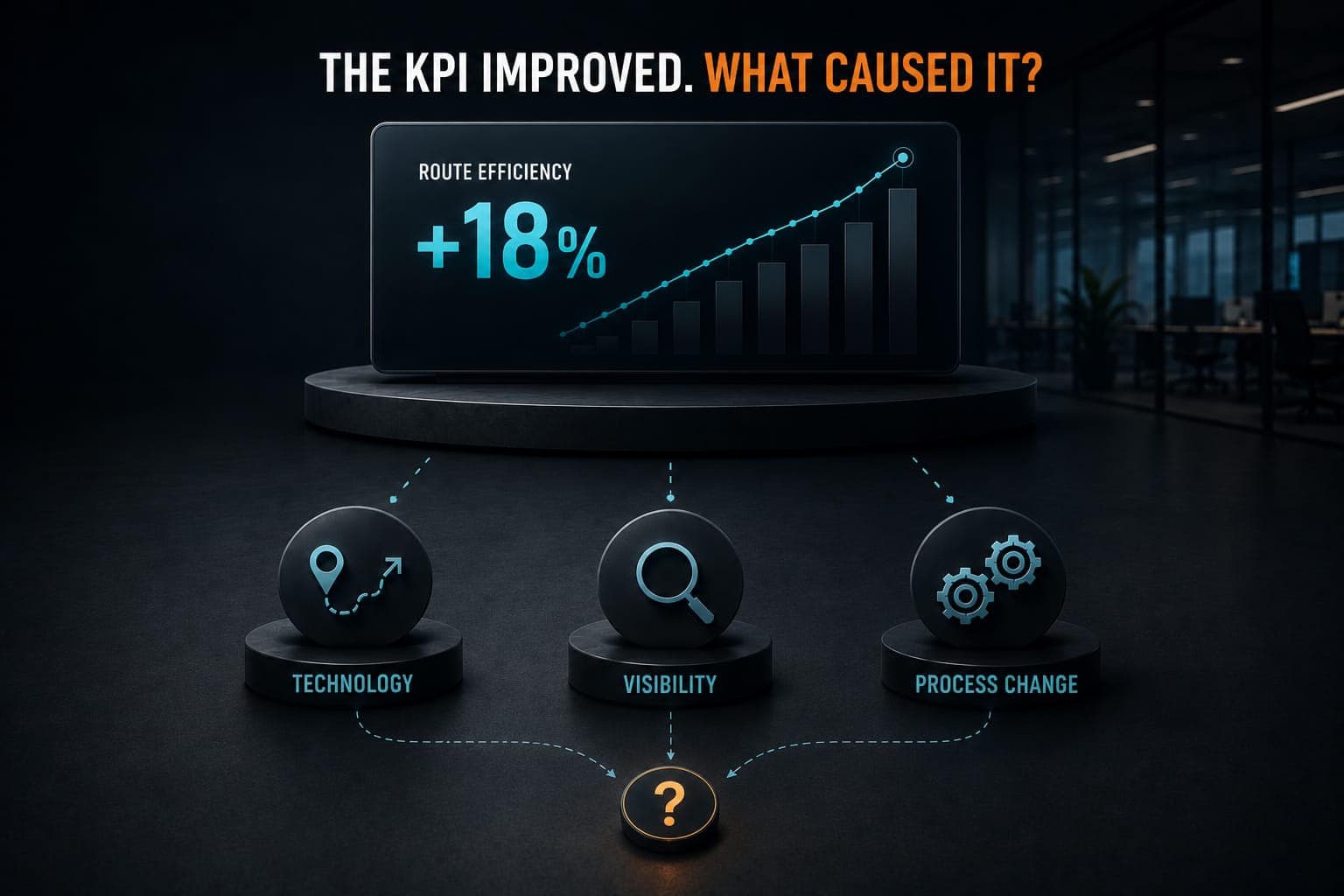
When several changes improve the same KPI, the result alone does not explain what caused it. Attribution matters before deciding what to scale next.

AI agents do not change the fundamentals of secure file exchange. They change the identity, speed, scale, and autonomy of the actor initiating each action.

Digital maturity is not measured by how many processes are automated. It shows in whether people, processes, data, and systems share enough context to make the right decision while there is still time to change the outcome.

Data sovereignty is not just about where servers are located. It is about which laws can reach your data and whether anyone can technically read it while it is being processed.

Automation does not decide what to improve. It scales the process behind it, which means hidden assumptions and errors can move faster too.

Every system looked correct on its own. The real warning appeared when ERP records, sales reports, and GPS data described the same business process differently.

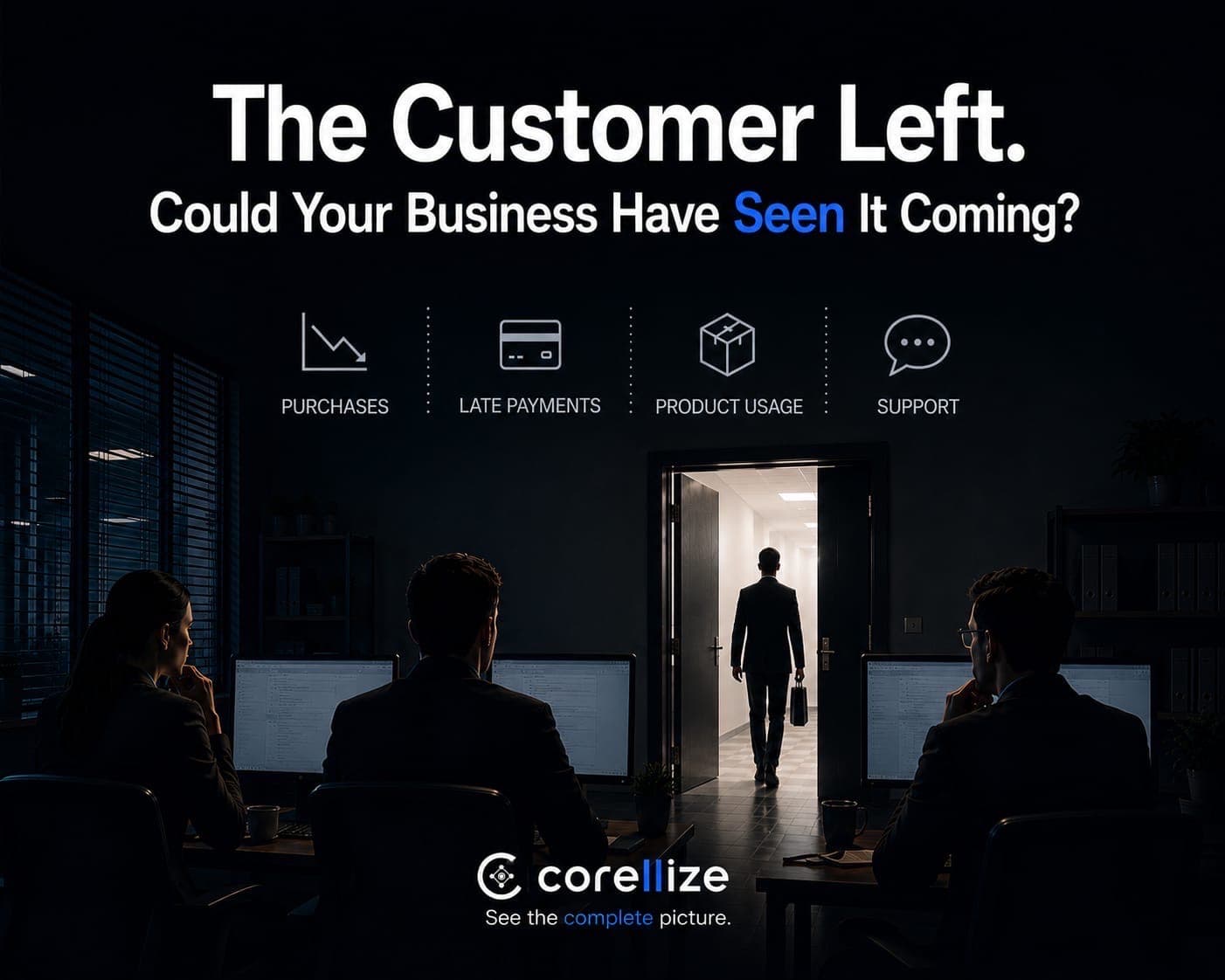
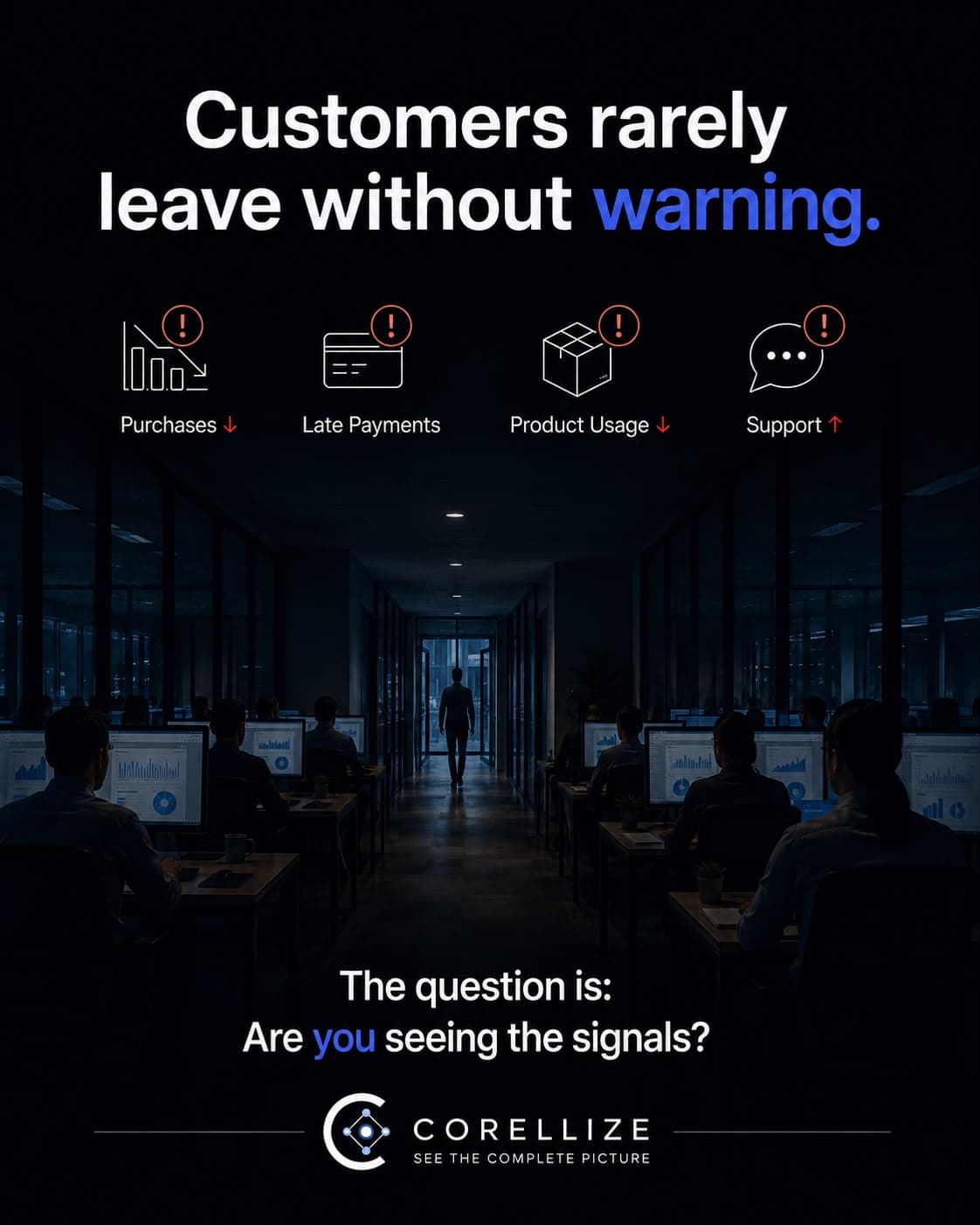
Customers rarely decide to leave overnight. The data often reveals the warning signs much earlier - before the final decision is ever made.

Advertising, sales efforts, meetings, and contract negotiations are all investments that can be planned and measured. Yet in the long run, losing an existing customer often costs far more.

Most decisions that cost companies money seem completely reasonable at the time. They look logical. They are supported by data. The only problem is that they are based on only part of the available information.