Every System Looked Correct. Together They Described a Different Reality.
Every system looked correct on its own. The real warning appeared when ERP records, sales reports, and GPS data described the same business process differently.
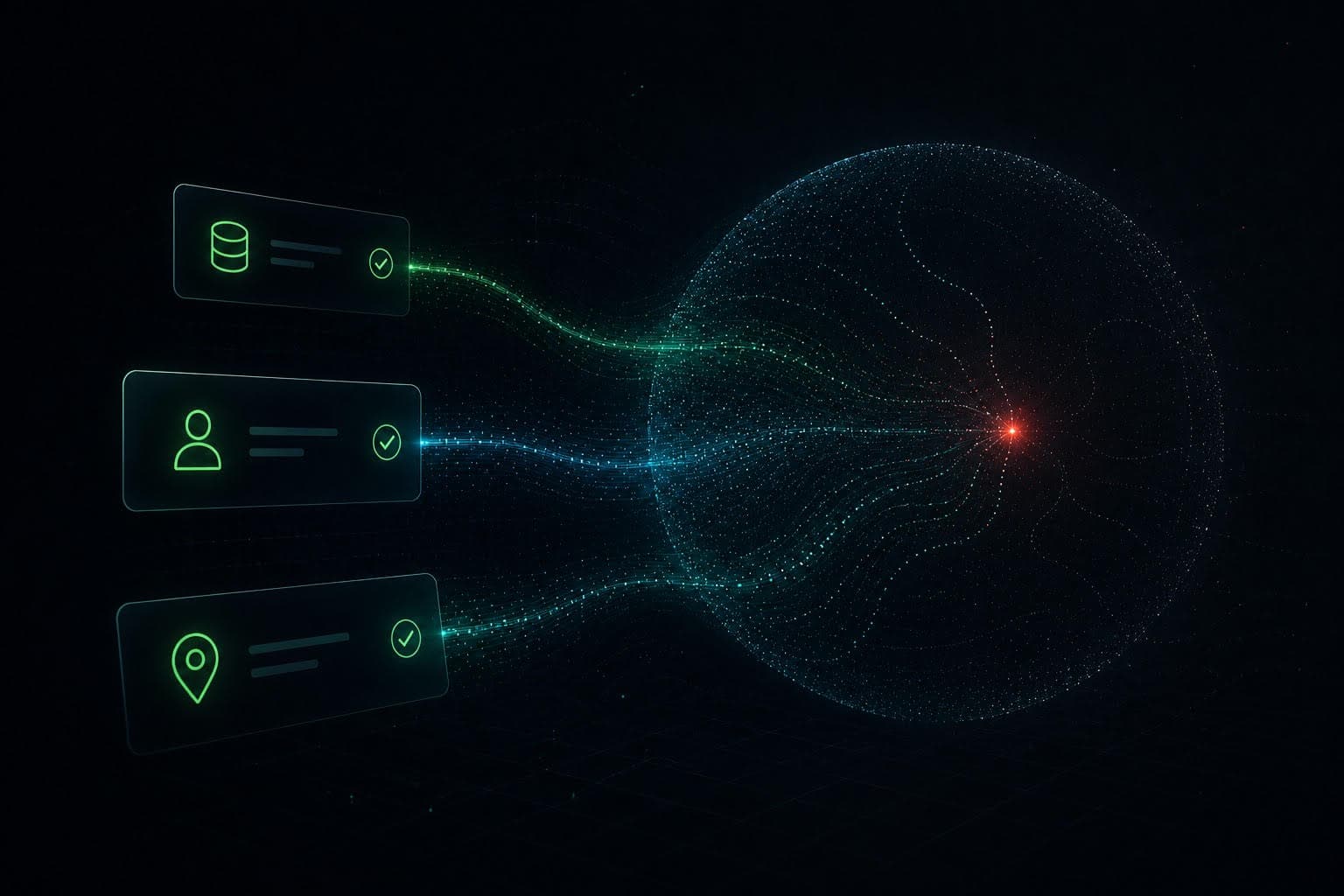
Every system looked correct. The ERP showed the latest customer records. Sales representatives submitted their daily reports. Vehicle GPS data confirmed completed routes. Together, they described a different reality.
That gap is often where business problems begin. Can artificial intelligence recognize that gap before people do? Yes. Not because it understands the business better than people, but because it continuously compares information from different systems while people review that information periodically.
Why are business problems discovered so late?
Business problems rarely begin where they become visible. Customer churn appears in a quarterly report. An unusual payment is noticed during a financial audit. A production delay becomes obvious only when deliveries start slipping. By then, dozens - or sometimes thousands - of small events have already happened. Each one seemed too insignificant to matter. Together, they formed a pattern.
The first signal rarely appears inside a single system. It appears when different systems begin describing the same business process differently.
Most organizations already have the data they need. What they often lack is a way to see how information from different systems relates to the same business process. Sales sees one part of the picture. Finance sees another. Operations sees a third. Each department makes sound decisions based on the information available to them. The challenge begins when nobody can see how those pieces fit together. Business problems often start when two systems stop telling the same story.
What happens when every system tells a different story?
One sales organization with 76 sales representatives believed customer visits were happening as planned because every representative submitted daily reports. Customer records in the ERP were up to date, and every report appeared complete. When visit reports, ERP records, and vehicle GPS data were viewed together, a different picture emerged.
The first signal was the growing inconsistency between systems - long before revenue was affected. Each source looked accurate on its own. Only when they were viewed together did the business process become visible.
That visibility allowed managers to identify missed customer visits, compare planned routes with actual activity, and adjust schedules before missed visits became missed business opportunities.
Why do early warnings sometimes fail?
Finding the first signal is only the beginning. Turning that signal into action usually depends on three things:
- Information arrives while there is still time to respond.
- Every department works from the same picture.
- Someone clearly owns the next decision.
Without those three conditions, early detection becomes early awareness rather than early action.
Why does visibility matter?
This pattern is reflected in Cisco's AI Readiness Index 2025: Realizing the Value of AI, which found that organizations with centralized and accessible data are significantly better positioned to create value from AI. The study shows that the most AI-ready organizations ("Pacesetters") are approximately four times more likely than their peers to have fully centralized data and 1.5 times more likely to report measurable improvements in profitability, productivity, and innovation from their AI investments.
A similar conclusion appears in The State of AI 2025 by McKinsey & Company: the greatest business value comes from redesigning how people work with information, not simply from introducing new technology.
Business problems rarely become expensive overnight. They become expensive when the first signals remain isolated until the consequences finally reach a dashboard. Dashboards document business problems. Visibility across business systems reveals them while there is still time to act.
Before starting your next AI initiative, ask one simple question: If two of your key business systems started telling different stories about the same process today, how long would it take before someone noticed?
The answer says less about AI. It says everything about how clearly your business sees itself.
Related posts
Can Your Data Become a Revenue Stream?
Your data may be valuable because of what it contains. But its commercial value can also come from what it can reveal - without handing over the records themselves.
Read moreData & StrategyWhy Do Companies Still Make Decisions With Data They Don't Fully Trust?
Every system can appear correct on its own while the combined picture describes a very different reality. The question is which data can be trusted for a specific decision.
Read moreReady to automate your sales process?
Let's map your workflow and identify where automation creates the fastest measurable impact.
Book a Call